
Wax, Oil, or Rubber? The Ultimate Guide to Rust Protection Undercoating

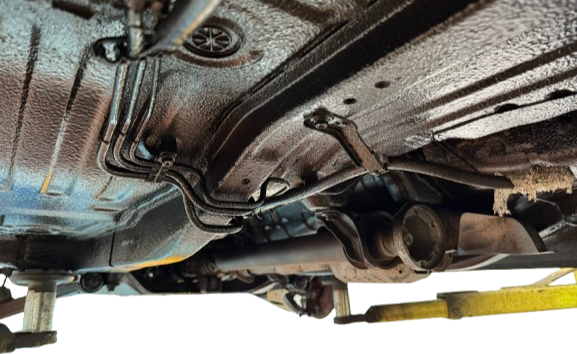
Rust is one of the most persistent enemies of any vehicle, especially in regions around Glasgow and Scotland with wet climates and heavily salted roads. Protecting the underbody of your car is essential to maintain its structural integrity and prolong its lifespan.
Understanding Protection Methods
The underbody of any vehicle in Scotland is exposed to harsh conditions daily. Water, salt, mud, and debris all contribute to corrosion. To combat this, several rust protection methods have been developed. Each method has its advantages and limitations, and the choice depends on the vehicle type, usage, and environment.
Here are the most common underbody rust protection methods:
Wax-based coatings: These penetrate seams and crevices, providing a flexible barrier against moisture.
Rubberised undercoating: Offers a thick, durable layer that resists chipping and stone damage.
Oil-based treatments: Penetrate rust and displace moisture but require regular reapplication.
Epoxy or polyurethane coatings: Provide a hard, protective shell but can be slightly less flexible.
Each method requires proper surface preparation to ensure adhesion and effectiveness. Neglecting this step can lead to premature failure of the protection layer.
Preparing Your Vehicle for Underbody Rust Protection
Preparation is the foundation of effective rust protection. Before applying any coating, the underbody must be thoroughly cleaned and free of existing rust, dirt, and grease. This step ensures the protective layer bonds correctly and lasts longer.
Here’s our step-by-step preparation process:
Vehicle Strip-Down: We remove covers such as wheel-arch liners, undertrays, and often larger components such as fuel tanks and subframes.
Cleaning: Pressure washer or steam cleaner to remove dirt and grime.
Blasting Stage: This is how we remove surface-level rust and stubborn dirt, as well as old failing coatings, revealing bare metal ready for protection.
Rust Neutralisation: This is where we apply rust converter to any remaining signs of surface rust.
This is also the stage where any welding that is required get's done.
Masking: Protect areas that should not be coated, such as brake components, exhaust pipes, and bodywork.

What is the Best Undercoating for Rust Protection?
Choosing the best undercoating depends on your vehicle’s needs and the environment it faces. No single product suits all situations, but some stand out for their performance and durability.

Wax-based under coatings are excellent for classic cars and vehicles stored indoors. They provide good protection in seams and crevices but may require reapplication every few years.
Rubberised coatings are ideal for 4x4s and vehicles exposed to rough terrain. They offer excellent impact resistance and sound deadening but can trap moisture if applied over rust.
Oil-based treatments penetrate existing rust and displace moisture, making them suitable for vehicles with minor rust issues. However, they need regular maintenance.
Epoxy or polyurethane coatings create a hard, durable shell that resists chemicals and abrasion. These are often used in professional restorations but require expert application.
The key is to match the coating to the vehicle’s use and environment. For example, a performance car driven mainly on dry roads may benefit from a different approach than a 4x4 regularly exposed to mud and salt.
Maintaining Your Vehicle’s Underbody Protection
Rust protection is not just a one-time job. Regular maintenance is crucial to keep the underbody in top condition.
Here are some maintenance tips:
Wash the underbody regularly, especially after exposure to salt or mud.
Inspect for chips or damage to the protective coating.
Reapply protective coatings as recommended by the product or professional.
Store the vehicle in a dry, covered area when not in use.
Address any rust spots immediately to prevent spread.
By following these steps, you can ensure your vehicle remains protected for years to come.
Choosing the right underbody rust protection method requires careful consideration of your vehicle’s needs and environment.
With proper preparation, precise application, and ongoing maintenance, you can safeguard your vehicle’s underbody effectively.


Comments